the life of heaven must be begun here on earth
Anne of the IslandThe life of heaven must be begun here on earth is the principle Anne Shirley draws from her conversation with the dying Ruby Gillis: readiness for whatever follows death depends on what a person learns to value and practice in the present. The expression turns a painful encounter into a change in Anne’s understanding of life, urging her not to postpone the pursuit of what is highest until the end of earthly existence.
The Conversation Behind the Expression
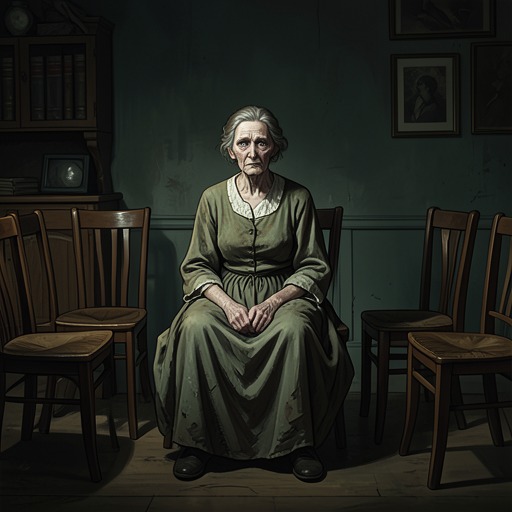
Anne approaches Ruby’s fear by suggesting that heaven may not be wholly unlike life on earth: people may remain themselves, while hindrances and perplexities fall away and goodness becomes easier to follow. The reassurance is tentative, reflecting Anne’s sense that she cannot claim certainty about the mysteries of life and the afterlife. Ruby answers that she wants to keep living here. She is young, has struggled to survive, and cannot bear the thought of leaving everything she cares for.
The force of Ruby’s reply lies in its truth for her. Anne cannot comfort her with promises she cannot know to be true, and recognizes that Ruby’s attachment to earthly pleasures has left the life to come seeming foreign and undesirable. The conversation therefore does not resolve Ruby’s fear through a confident explanation of heaven. Instead, it makes Anne confront the consequences of living for what passes away while remaining unprepared for what may endure.
A Change in Anne’s Understanding
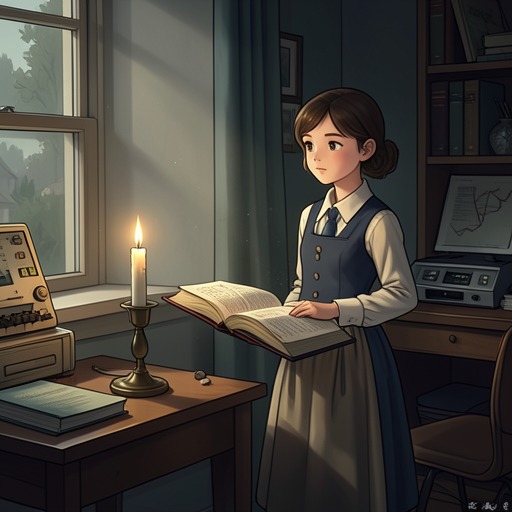
Walking home slowly in the moonlight after saying good night to Ruby, Anne feels that the evening has altered life’s meaning for her. Its surface may continue as before, but something deeper has been stirred. Anne resolves that she must not reach the end of one life with the same shrinking terror Ruby feels toward a next life that seems wholly different. The experience converts an abstract question about death into a practical judgment about how to live.
Anne’s conclusion is not that ordinary earthly joys are worthless. She recognizes that life’s small things can be sweet and excellent in their place; the danger is making them the sole purpose of living. To seek and follow what is highest is, in this sense, to begin the life of heaven in earthly conduct rather than to treat it as an entirely separate existence for which preparation can be deferred.
Aftermath and Significance
That night in the garden proves to be Anne’s last conversation with Ruby in life. Ruby dies peacefully in her sleep the following night, and news of her death reaches Avonlea the next morning. At the funeral, Anne’s flowers surround Ruby’s white-clad body; looking down through tears, Anne remembers her playfellow’s face as touched by a purity that life had not revealed in the same way. Ruby’s death gives the conversation its final weight, while the expression preserves its consequence for Anne: the encounter has changed not the fact of mortality, but the purpose with which she intends to meet life.